
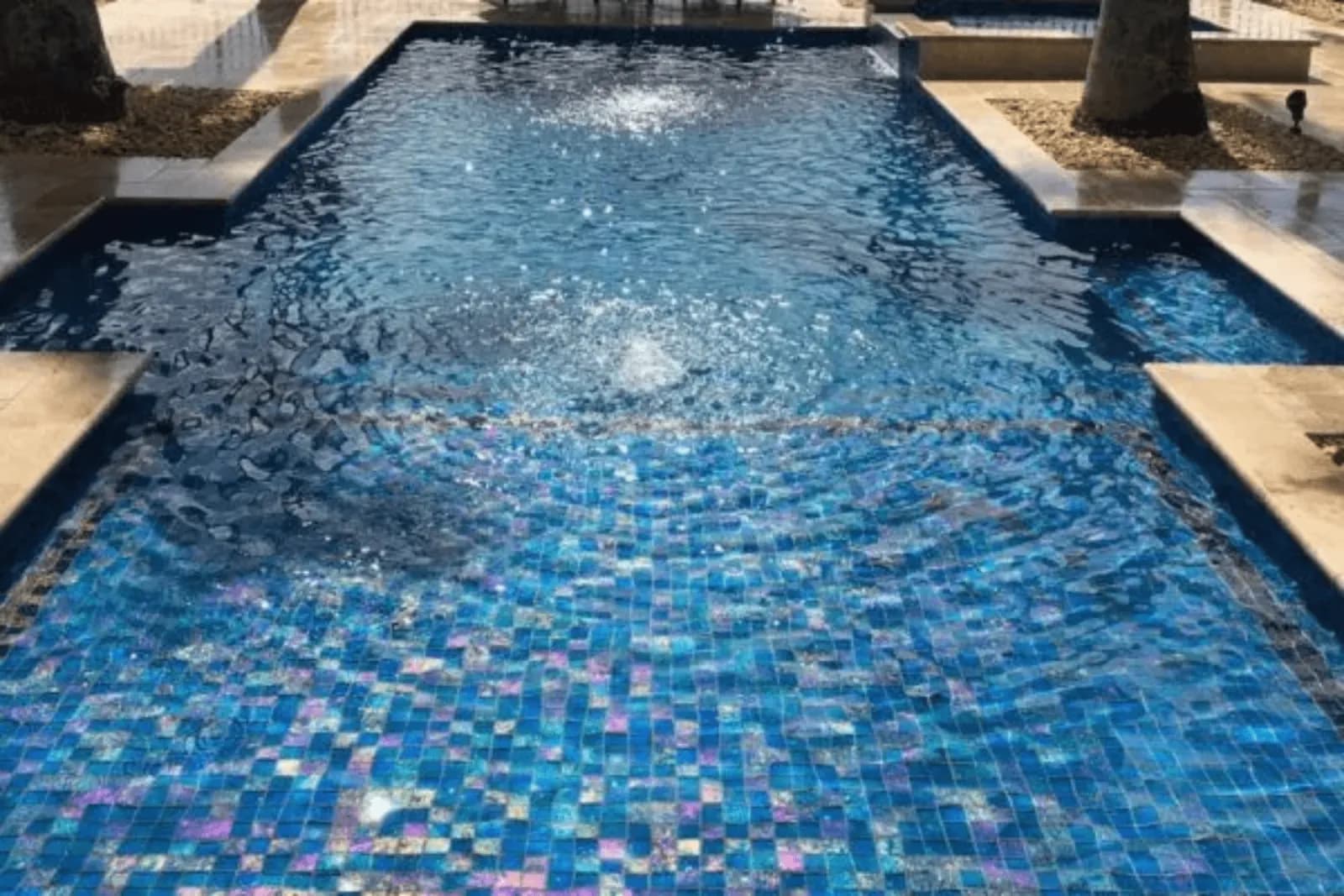
When planning a new swimming pool or considering pool resurfacing, most pool owners focus on layout, depth, and features. But the pool finish you choose is what truly defines your pool’s performance and long term appearance. The right pool finish protects the structure, influences maintenance requirements, and determines how your dream pool will look for years to come.
If you are comparing traditional plaster, tile finishes, and PebbleTec surfaces, exploring different pool finishes available in Thailand can help you better understand the materials, textures, and colour options before making a long term investment.
If you are upgrading an existing pool, working with experienced pool remodelling contractors ensures the installation is handled properly and built for lasting performance.
Let’s break down the key differences so you can confidently choose the right pool finish.
Understanding the Role of a Pool Finish
The pool finish is the final layer applied during pool construction. It seals the concrete shell, protects structural integrity, and defines the pool’s surface texture and colour.
Not all pool finishes are created equal. Some are budget-friendly but require frequent resurfacing. Others cost more initially but deliver long lasting durability and minimal maintenance.
A quality pool finish must resist chemical fluctuations, withstand intense UV exposure, and hold up against extreme heat. It should also enhance aesthetic appeal while remaining comfortable and safe underfoot.
How Long Does Each Finish Really Last?
Durability is one of the biggest concerns for pool owners.
Standard plaster typically lasts 5 to 10 years with proper maintenance. Even premium plaster finishes often require resurfacing within a decade. Plaster surfaces are vulnerable to staining, etching, and discoloration when water chemistry fluctuates.
Tile finishes can last 25 years or more when properly installed. However, grout lines become the weak point. Over time, grout can crack, discolor, and collect algae, increasing maintenance requirements.
PebbleTec pool finishes generally last 15 to 25 years and often longer. The exposed aggregate design uses carefully selected natural stone, which provides unmatched durability compared to plaster. Compared to plaster, PebbleTec dramatically reduces the frequency of resurfacing.
That long term durability makes a significant difference in overall ownership cost.
Resistance to Chemicals, UV, and Extreme Heat
Climate plays a major role in how well a finish performs.
Plaster is sensitive to chemical balancing issues. If pH levels swing or calcium hardness is off, the plaster pool finish can etch, pit, or develop rough patches. In areas with intense UV exposure and high temperatures, plaster may deteriorate faster.
Tile finishes resist chemicals well, but grout joints are more vulnerable to long term wear.
PebbleTec finishes are designed to handle fluctuating water chemistry and harsh sunlight. The pebble aggregate and exposed aggregate structure resist UV exposure, chemical damage, and staining. In Thailand’s tropical climate, where strong sun, heat and heavy rain are constant factors, PebbleTec maintains its structural integrity far better than traditional plaster.
This resistance is one of the key differences that makes PebbleTec a superior choice.
Surface Texture and Safety
Comfort and safety matter, especially for families.
Smooth plaster feels soft initially. However, as it ages and experiences chemical wear, it can become rough and uneven.
Tile finishes are sleek and modern, but smooth tile surfaces may become slippery in shallow areas, especially if grout lines accumulate algae.
PebbleTec creates a textured surface that provides natural slip resistance. While it has a slightly rougher texture than smooth plaster, it is carefully engineered to remain comfortable underfoot. Over time, the surface softens slightly with use.
For family-friendly pools and custom pool designs, this balance between comfort and grip makes all the difference.
Aesthetic Appeal of Pool Finishes
The pool’s surface determines its visual impact.
Plaster offers a bright surface and clean look. However, it is generally uniform in colour and can appear flat. Stains and discoloration may affect the pool’s appearance over time.
Tile finishes allow for decorative patterns, glass beads, and intricate designs. They are often chosen for luxury pools seeking a modern aesthetic.
PebbleTec finishes provide depth, texture, and movement. The pebble finish mimics natural riverbeds and lagoons, blending beautifully with landscaping and natural stone features. With over 60 colour options, combinations, and enhancements such as abalone shell and glass beads, PebbleTec offers one of the widest selections in the industry.
The result is a swimming pool that feels organic rather than artificial. For homeowners designing a dream pool, that natural elegance is often the deciding factor.
You can explore the full range of finishes available at PebbleTec Thailand to see available styles and colour options.
Maintenance Requirements of PebbleTec, Tile, and Plaster
Understanding how much maintenance each finish requires helps avoid surprises.
Plaster pools require frequent brushing, careful chemical balancing, and periodic acid washing to remove stains and buildup. Over time, this increases long term maintenance costs.
Tile finishes require regular grout cleaning to prevent algae and mold growth. While the tile itself is durable, grout maintenance can become time consuming.
PebbleTec requires weekly brushing during the initial curing period and light routine brushing afterward. Thanks to its durability and resistance to chemical fluctuations, it generally requires minimal upkeep compared to plaster finishes.
With proper maintenance and balanced water chemistry, PebbleTec surfaces maintain their look with less frequent intervention.
Cost and Long Term Value
Plaster has the lowest upfront cost, which makes it attractive for budget-conscious projects. However, frequent resurfacing every 5 to 10 years can significantly increase total lifetime expenses.
Tile finishes have a higher initial cost and can be expensive to repair if individual tiles or grout sections fail.
PebbleTec has a higher initial cost than plaster, but its long term durability reduces resurfacing frequency. Over 20 years, many pool owners find it more cost effective due to lower maintenance and repair needs.
Additionally, PebbleTec finishes come with strong manufacturer-backed warranties when installed by certified installers. That added protection enhances long term value and peace of mind.
Making the Right Choice for Your Pool
Choosing the right pool finish depends on your priorities.
If lower upfront cost is your main concern, traditional plaster may seem appealing. However, be prepared for frequent resurfacing and higher maintenance.
If you prefer a structured, modern appearance and are comfortable maintaining grout lines, tile may be suitable.
If you want long lasting durability, minimal maintenance, strong resistance to UV exposure, and a natural aesthetic appeal, PebbleTec stands out as a premium option.
For homeowners investing in a custom pool designed for year round enjoyment, PebbleTec consistently proves to be better than plaster and more practical than full tile finishes.
Key Takeaways
Traditional plaster pools offer affordability but require frequent resurfacing and careful water chemistry management.
Tile finishes provide longevity but increase maintenance due to grout lines.
PebbleTec pool finishes combine natural stone beauty, unmatched durability, chemical resistance, and lower maintenance requirements. Although the upfront cost is higher, the long term value makes it a smart and reliable investment.
The right pool finish protects your investment, enhances your pool design, and ensures your swimming pool remains beautiful for decades.
Frequently Asked Questions
How long does PebbleTec last compared to plaster?
PebbleTec typically lasts 15 to 25 years or more, while plaster generally lasts 5 to 10 years.
Does PebbleTec require more maintenance because of its texture?
No. It requires light brushing and proper chemical balancing, but overall maintenance is lower than plaster.
Is PebbleTec slippery?
No. The textured surface provides natural slip resistance, especially in shallow areas.
Is the higher initial cost worth it?
Yes. Reduced resurfacing, lower maintenance costs, and longer lifespan make PebbleTec a strong long term investment.
Written by Lewis Jones, Director of Paradise Pool Interiors — the sole licensed PebbleTec applicator in Thailand.