
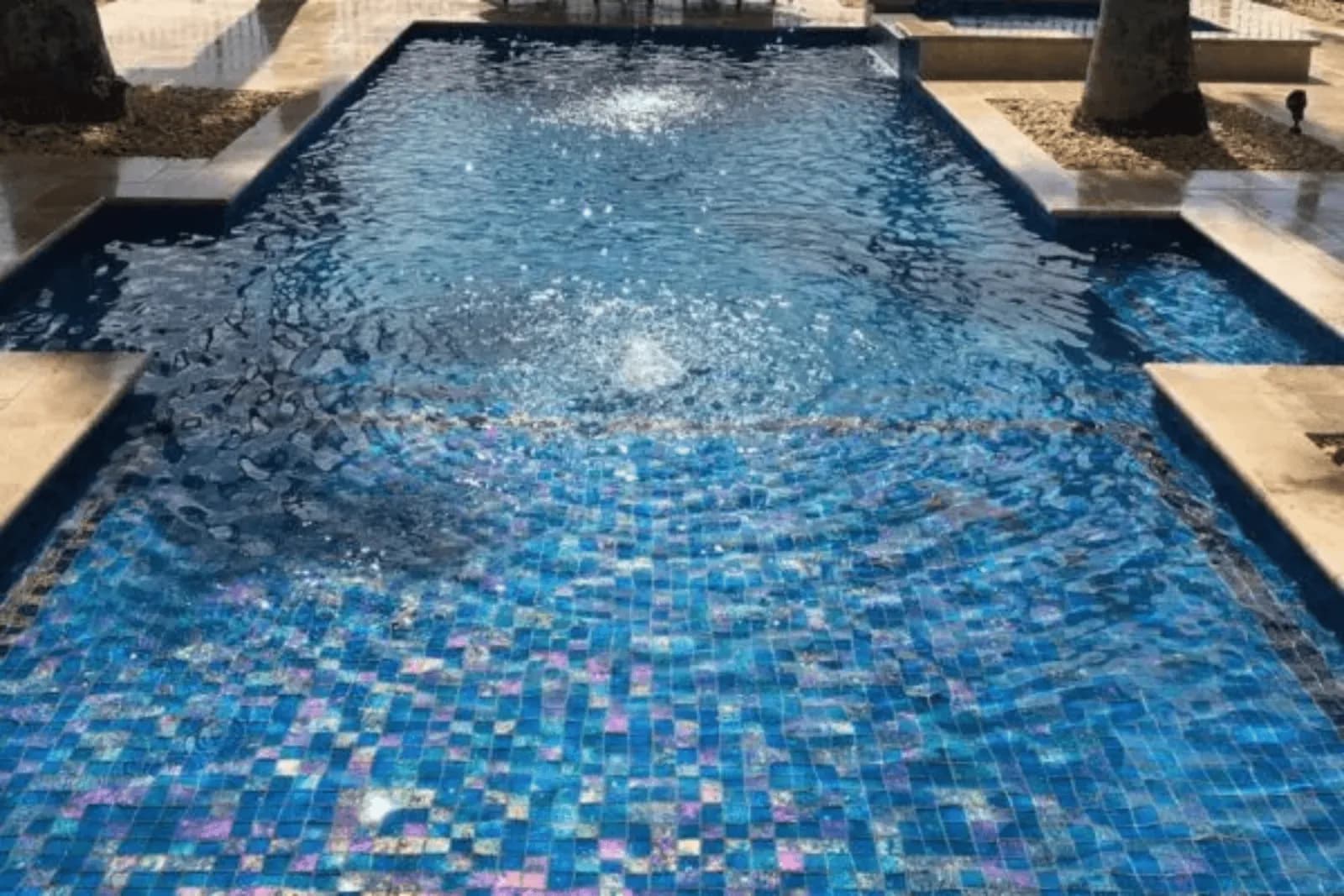
If you are planning a pool project in Thailand, whether it is a brand-new build, a backyard renovation, or a resort-level commercial installation, one question comes up time and again: is a pebble finish actually worth it compared to tile or plaster?
It is a fair question. Pebble finishes do cost more upfront than traditional alternatives. But the real conversation around value goes much deeper than the initial invoice. In a tropical climate like Thailand, where the sun is relentless, rainfall is heavy, and pool chemistry can be challenging to maintain consistently, the material you choose for your pool shell affects not just how your pool looks on day one but how it performs across years and decades.
This guide breaks down the long-term value of pebble finishes compared to the two most common alternatives in Thailand: ceramic or porcelain tile, and traditional plaster. We will look honestly at costs, durability, maintenance, safety, and aesthetic appeal so you can make a confident, informed decision for your pool project.
Understanding Your Pool Finish Options in Thailand
Before diving into comparisons, it helps to understand what each surface actually is and how it behaves inside a pool shell.
Pebble Finishes
Pebble finishes are a mixture of small natural stone aggregates, sand, glass beads in some product lines, cement, and industry-grade pigments. Brands like PebbleTec have been refining this mixture since 1987, and the formulation today includes polymers specifically designed to withstand UV exposure and tropical conditions. The finish is applied by hand over the pool shell and cured in water, creating a surface that is both durable and visually distinctive.
Within the pebble category, there are several product lines available. The Original PebbleTec finish uses larger pebble aggregate for a more rustic, natural stone look. PebbleSheen uses a finer mix for a smoother surface while retaining the pebble texture and colour depth. PebbleFina is even finer, approaching the smoothness of plaster while still offering the performance benefits of a pebble surface. Pebble Brilliance incorporates glass beads into the mix, catching the light and creating bright, jewel-like water colour effects. Each line offers a range of colour options that genuinely change how the water looks in your pool.
Ceramic and Porcelain Tile
Tiled pools are arguably the most common pool finish choice in Thailand, particularly in mid-to-high-end residential and hospitality projects. Tiles offer a clean, precise look and come in an enormous range of colours, sizes, and patterns. Porcelain tiles in particular are dense and resistant to water absorption, which makes them a durable choice.
That said, tiled pools come with a structural characteristic that affects long-term maintenance: grout lines. Every tile installation has a grid of grout running through it, and in a tropical outdoor space, that grout is constantly exposed to UV, fluctuating water chemistry, algae, and heat. Over time, grout can crack, stain, and become a maintenance job in itself.
Plaster
White plaster has been the entry-level pool finish for decades. It is smooth, inexpensive, and straightforward to apply. In many parts of the world, it was the default option simply because nothing more accessible existed. In Thailand today, plaster remains the cheapest way to finish a pool shell, but its performance in tropical conditions has become harder to recommend for any pool owner thinking beyond the short term.
The Tropical Climate Factor
Thailand’s weather is not gentle on outdoor structures. The combination of intense UV radiation, heavy monsoon rainfall, high humidity, and significant temperature variation between day and night creates a uniquely demanding environment for pool surfaces.
Plaster, in particular, struggles here. The smooth surface of white plaster is highly porous, which means it absorbs water and the chemical compounds dissolved in it. In a region where water chemistry can be difficult to maintain consistently, this leads to staining, algae growth in the surface, and gradual deterioration of the structure. Current industry expectations for plaster in tropical environments are around 7 to 8 years before the surface needs to be fully refinished.
Tile holds up better than plaster in most respects, but the grout lines are vulnerable. Heavy rainfall and high humidity encourage biological growth, and the thermal expansion and contraction of the pool shell in Thailand’s heat can cause individual tiles to crack or pop over time. When this happens on a large surface, repairs can be difficult to match perfectly and often end up looking patchy against the aged surrounding tiles.
Pebble finishes, by contrast, were developed with exactly these kinds of environmental challenges in mind. The surface is less porous than plaster, which reduces algae growth and makes it more resistant to staining. Quality pebble products are formulated to withstand UV exposure without fading significantly. Because the finish is applied as a continuous mixture rather than individual tiles, there are no grout lines to degrade or tiles to pop. And crucially, pebble surfaces are specifically designed to resist the unbalanced, acidic water conditions that are common in Southeast Asia.
Pebble vs. Tile vs. Plaster: A Direct Comparison
The table below summarises the key differences across the factors that matter most for a long-term pool investment in Thailand.
| Factor | Ceramic / Porcelain Tile | Pebble Finish | Plaster |
|---|---|---|---|
| Upfront Cost | Medium to High | Medium to High | Lowest |
| Typical Lifespan | 15-25 years (grout may fail sooner) | 15-20+ years | 7-8 years |
| Resurfacing Frequency | Low, but grout repointing needed | Low | Every 7-8 years |
| Algae Resistance | Moderate (grout lines trap algae) | High (less porous surface) | Low (smooth plaster stains easily) |
| Slip Resistance / Safety | Low to Moderate (smooth, slippery wet) | High (textured, natural grip) | Low (smooth surface) |
| Colour / Aesthetic Options | Wide range of patterns and colours | Wide range of finishes and water colours | Limited (mostly white or light tones) |
| Tropical Climate Suitability | Moderate (grout degrades over time) | Excellent (UV and chemical resistant) | Poor (stains, chips, algae issues) |
| Maintenance Requirements | Regular grout cleaning, repointing | Standard water chemistry, occasional acid wash | Frequent chemical balancing, stain treatment |
| Foot Feel | Smooth, hard underfoot | Textured, natural stone feel | Smooth, can feel chalky over time |
| Crack / Chip Risk (Tropical) | Moderate (tiles can crack or pop in heat) | Low (flexible pebble mix resists stress) | High (prone to chipping and cracking) |
| Property Value Impact | Positive | Strongly Positive | Neutral |
A Note on Tile
Tile remains an excellent choice for pool projects where the design calls for a precise geometric look, detailed mosaic work, or a specific pattern that pebble cannot replicate. Many high-end pool builds in Thailand combine both: pebble finish on the main pool shell for durability and water colour effect, with decorative tile accents on the waterline, steps, benches, or spa surround. This approach can give you the best of both materials.
What the table illustrates is that when tile is used as the primary interior finish across the entire pool surface, the grout network becomes the weakest link over time. In a tropical environment, maintaining those grout lines adds to the overall cost of ownership in a way that is easy to underestimate during construction.
Durability and Longevity
One of the clearest long-term value arguments for pebble finishes is simply how long they last. Pebble pool finishes typically carry warranties of 8 years or more from authorised applicators, reflecting genuine confidence in the material’s durability. In practice, a well-installed pebble finish maintained with proper water chemistry can remain in excellent condition for 15 to 20 years or longer.
Compare that to plaster, which typically needs full resurfacing every 7 to 8 years in a tropical climate. Over a 20-year period, a plaster pool could require two or three complete refinishing jobs. Each refinishing involves draining the pool, removing the old surface, and applying fresh material. That process is disruptive, time-consuming, and adds up in cost across the life of your pool.
Tile, when installed correctly, can last 15 to 25 years before the tiles themselves need replacement. But grout repointing and spot tile repairs are likely to be needed well before that, particularly in a climate like Thailand’s. The full installation, including laying each individual tile and grouting the entire surface, is also a significantly labor-intensive process.
Pebble finishes bridge the gap: they last as long as a well-maintained tile installation, avoid the grout maintenance issue entirely, and cost considerably less over a 10 to 15 year horizon than the cumulative expense of resurfacing plaster twice.
Maintenance: What It Actually Costs Over Time
Every pool requires regular maintenance regardless of the surface finish. Water testing, chemical balancing, filter cleaning, and equipment checks are all part of the entire process of owning a pool. The finish material does not change those fundamentals. What it does affect is the additional, surface-specific maintenance you will need to carry out.
Plaster Pools
Plaster pools in tropical environments require diligent water chemistry management to slow the natural degradation of the surface. Staining is common, and the smooth surface of white plaster shows discoloration particularly clearly. Algae can take hold quickly in plaster’s porous texture, requiring more aggressive chemical treatment or brushing to keep the pool clean. Over time, the surface becomes rougher as it deteriorates, which affects both the look and the feel of the pool.
Tiled Pools
Tiled pools need consistent grout maintenance. In Thailand’s tropical conditions, grout lines are prone to discoloration from algae and mineral deposits. Regular brushing along the grout lines and periodic grout repointing are part of maintaining a tiled pool’s appearance. If tiles crack or lift, they need to be replaced promptly to prevent water from getting behind the surface, which can cause larger structural issues over time.
Pebble Pools
Pebble finish pools generally require less surface-specific maintenance than either plaster or tile. The surface is less porous than plaster, making it more resistant to algae growth without additional chemical interventions. Acid washing is recommended after installation to remove the residual cream from the application process, but thereafter pebble finishes typically do not need frequent acid washes. The natural texture of the surface also means that minor staining is far less visible than it would be on smooth white plaster.
Proper care, including maintaining good water chemistry and regular filter cleaning, is still essential for any pool finish. But pebble surfaces are forgiving in a way that plaster simply is not, particularly in the context of the water quality variation that can come with Thailand’s seasonal conditions.
Safety: The Feature Nobody Markets Enough
The textured surface of a pebble finish provides natural slip resistance that smooth tile and plaster cannot match. This is a meaningful safety consideration for any pool, but particularly for pools that will be used by children and elderly swimmers, pools at rental properties or resorts where guests may not be familiar with the layout, and steps, benches, and ledges where people are climbing in and out of the water.
Tile, especially glazed porcelain, can be extremely slippery when wet. This is why many tiled pools include non-slip inserts or strips on steps and pool edges, which adds installation complexity and maintenance requirements. Pebble finishes deliver grip naturally across the entire pool surface, including steps, benches, and the pool deck transition, without requiring additional components.
This is not a trivial point for pool owners in Thailand, where properties are often designed for guest use and where the liability implications of a slip in a pool area are serious.
Aesthetic Appeal and Property Value
The look of a pool contributes significantly to how an outdoor space feels. A well-finished pool becomes the centrepiece of a backyard, a villa terrace, or a resort deck. The water colour of a pool is almost entirely determined by the pool finish underneath it, and this is where pebble surfaces have a clear advantage over plaster.
White plaster produces a fairly predictable, pale blue water colour. It is clean and familiar, but it offers little room for customisation and tends to look dated in higher-end settings. Tile gives much more flexibility in terms of pattern and design, and many premium tile installations produce stunning results. But the water colour effect from tile is determined by the specific tiles chosen and the grout colour, and once installed, it is fixed.
Pebble finishes offer a wider spectrum of water colours than almost any other interior pool finish on the market. The combination of different stone aggregates, glass beads, and industry-grade pigments creates colours that shift and catch the light in ways that plain tile and plaster cannot replicate. From the deep, rich tones of a midnight blue finish to the bright, tropical clarity of an aqua or turquoise blend, pebble allows pool owners to dial in a specific look for their outdoor space that genuinely enhances the property.
For villa owners and developers in Thailand’s competitive property market, this matters. A pool with a distinctive, high-quality pebble finish photographs well, presents well to guests or buyers, and is widely understood in the market as an indicator of quality construction. It is one of the finish choices that potential buyers and renters notice and remember.
Choosing the Right Pool Contractor
Whatever finish you choose, the quality of your contractor is arguably the most important variable in the entire process. In Thailand, the range of pool contractors spans from highly experienced, internationally trained specialists to general builders who have taken on pool projects without dedicated expertise. The gap in outcomes between these two ends of the spectrum is significant.
When evaluating pool contractors for a project involving pebble finishes in particular, there are several things worth confirming. Pebble finishes must be installed by licensed or authorised applicators who have been trained in the specific application techniques required. The mixing ratios, application temperature, curing process, and water startup procedure all affect the final result. Getting this wrong can mean a substandard finish that fails to deliver the promised durability or aesthetic.
A thorough site assessment before construction begins is also important. Soil conditions, access to the job site, existing plumbing, and the shape and structure of the pool shell all affect the complexity of the installation. Reputable pool contractors will conduct this assessment before providing a quote and will build any site-specific challenges into their planning and timeline.
It is worth contacting at least three pool contractors to compare services and pricing on any significant pool project. Ask each one for a clear construction timeline, references from completed projects, and details on the warranties they offer on both materials and workmanship. A contractor who is reluctant to discuss warranty terms or cannot provide recent local project references is a flag worth taking seriously.
For new builds, a standard rectangular pool in Thailand typically takes 8 to 10 weeks from excavation to completion. More complex designs such as infinity pools or natural rock formations may take 12 to 16 weeks. Having a clear timeline agreed in advance is important for coordinating the rest of your construction or renovation schedule.
The Long-Term Value Calculation
The honest answer to whether pebble finish is worth the cost in Thailand is: for most pool owners who intend to keep and use their pool for more than five years, yes.
The upfront premium over plaster is real, typically in the range of 30% to 50% more for the finish itself. Over a 10 to 15 year horizon, however, the calculus changes considerably. A plaster pool will likely need full resurfacing at least once in that period, and possibly twice. The cost of draining, refinishing, and refilling a pool is not trivial, and neither is the disruption to your outdoor space during the process.
Compared to a full tile installation, pebble finishes are often similarly priced on a per square metre basis. The long-term maintenance advantage of pebble, due to the absence of grout lines and the surface’s natural resistance to algae and staining, means that total cost of ownership over a decade tends to favour pebble over tile for most standard residential and mid-range commercial pool projects.
For pool owners who value aesthetics, the water colour range and distinctive appearance of a quality pebble finish is difficult to put a number on. But in Thailand’s premium property market, a beautifully finished pool is a tangible asset, and the difference between a distinctive pebble finish and a standard white plaster surface is visible to anyone walking into the space.
If you are building a dream pool or renovating an existing one, the finish material is one of the few decisions that will still be visible and felt every single day for the next two decades. Getting it right from the start is a straightforward argument for quality materials and quality installation, whatever surface you ultimately choose.
Final Thought
Pebble pool finishes are not the cheapest option on day one. But in a tropical environment like Thailand, where sun, humidity, and water chemistry all work against lower-grade surfaces, the durability, reduced maintenance, safety benefits, and aesthetic impact of a quality pebble finish make it a genuinely strong long-term investment.
If you are exploring pebble pool finishes for a new build, a remodel, or a commercial project, take the time to understand the product lines available, the importance of working with authorised applicators, and what a warranty on both materials and workmanship actually covers. The difference between a good installation and a great one comes down to knowledge, materials, and the experience of the team carrying out the work.
Written by Lewis Jones, Director of Paradise Pool Interiors — the sole licensed PebbleTec applicator in Thailand.