
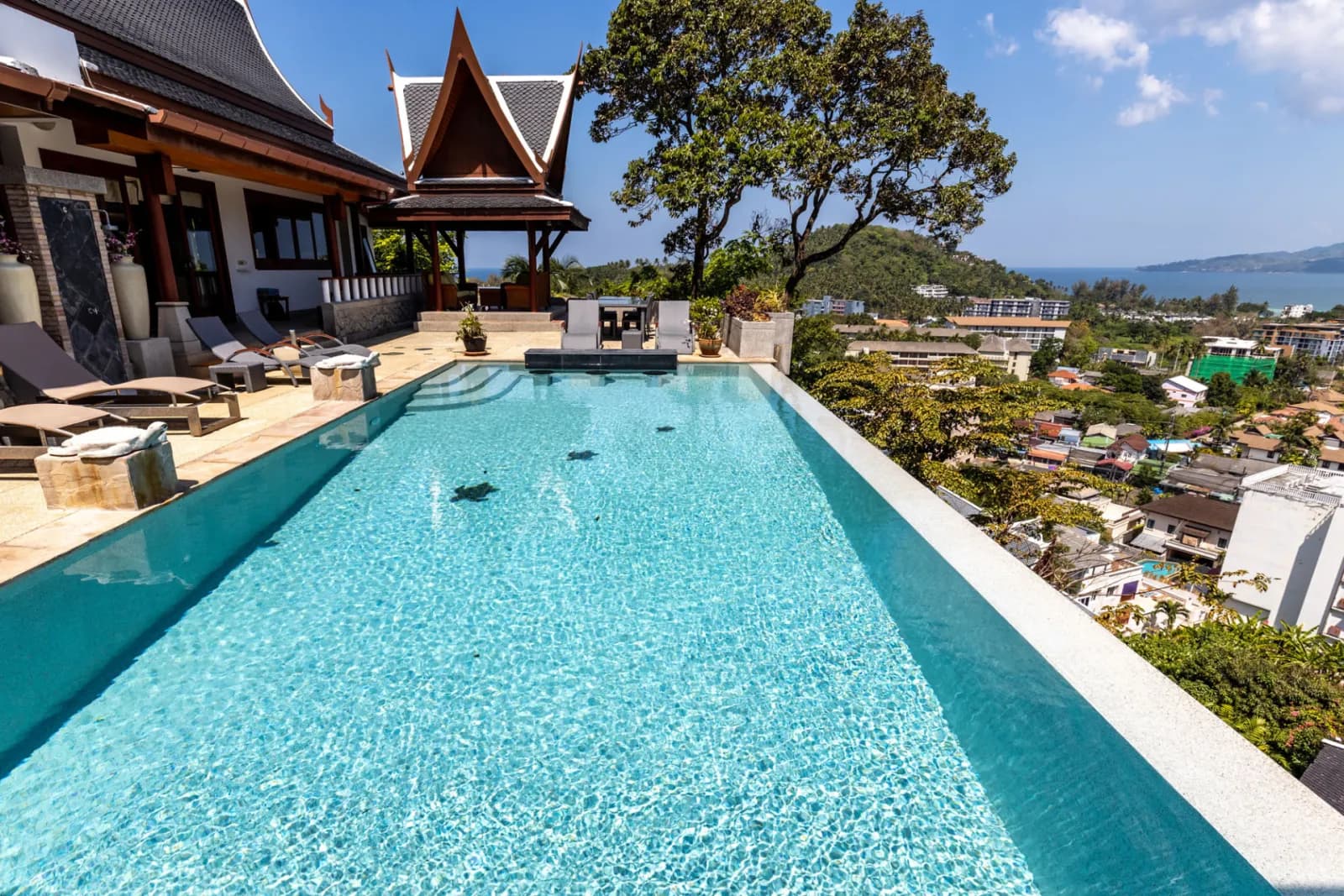
Deciding whether to renovate or rebuild a swimming pool in Thailand is not just a design choice. It is a long term investment decision that affects safety, maintenance costs, property value, and how the pool fits your villa or house lifestyle.
Many homeowners rush into renovation work without understanding the real condition of their pool. Others assume rebuilding is the only option when problems appear. In reality, choosing the right path requires careful diagnosis, proper planning, and working with a qualified contractor who understands local climate challenges, soil conditions, and construction standards.
This guide helps you decide whether renovation or a full rebuild makes more sense for your pool in Thailand, especially in coastal areas like Phuket where humidity, heat, and heavy rains accelerate wear.
Understanding Your Pool Options in Thailand
Pool owners in Thailand typically face three broad options when problems arise:
- Surface renovation such as resurfacing, tiling, or painting
- System upgrades including plumbing, filtration, and equipment
- Full rebuild involving demolition and new construction
Each option comes with different costs, timelines, and limitations. The most common mistake homeowners make is choosing finishes or tiles before diagnosing deeper issues such as leaks, circulation failure, or structural damage.
A proper decision begins by understanding what can realistically be fixed and what cannot.
When Pool Renovation Is the Better Choice
Surface and System Issues That Can Be Fixed
Renovating is usually the better option when the concrete pool shell remains structurally sound. If the pool shows only minor surface cracks, worn finishes, aging tiles, or outdated equipment, renovation can restore performance and appearance at a much lower price than rebuilding.
Typical renovation cases include:
- Failed plaster or pebble surfaces
- Cracks limited to finishes rather than the structure
- Leaking fittings, gutters, or outdated plumbing
- Poor circulation or inefficient equipment
- Cosmetic issues that affect safety or appearance
In Thailand, pool renovation is generally 40 to 60 percent less expensive than rebuilding. Basic renovation services can range from 6,000 to 15,000 THB per square metre, depending on materials, access to the site, and waterproofing condition.
Failures often happen when underlying structural or waterproofing issues are ignored and only surface problems are addressed.
Renovation Timelines and Disruption
Renovations are also faster. Many projects are completed within 1 to 8 weeks, depending on depth of work, weather, and curing times. In Phuket, rainy season conditions can extend timelines slightly, which is why experienced planning matters.
For homeowners who want to save time and money while extending the pool’s life, renovation is often the practical solution.
When Rebuilding a Pool Is the Right Decision
Structural Damage and Design Limitations
Rebuilding becomes necessary when the existing pool suffers from serious structural failure. This includes:
- Extensive shell cracking or shifting
- Persistent leaks that cannot be isolated
- Structural movement due to soil or foundation problems
- A need to completely change depth, size, or shape
If the pool structure is compromised, surface fixes will fail repeatedly. Many renovation failures occur because only visible problems are addressed while deeper issues remain untreated.
A full rebuild allows homeowners to redesign the pool from the ground up, incorporate modern safety standards, improve circulation, and adapt the pool to new usage needs.
Costs and Timelines for Rebuilding in Thailand
Professional grade new pool construction in Thailand typically ranges from ฿18,000 to ฿24,000 per square metre. A brand new concrete pool often starts around 1 million THB and can exceed 1.5 million THB for complex designs.
Rebuild timelines are longer, usually 8 to 12 weeks or more, especially when excavation, demolition, and permits are involved. Under the Building Control Act, major structural work and new construction require permits, particularly when safety or layout changes are made.
How to Make the Right Decision Step by Step
Start With Diagnosis, Not Design
A reliable renovation assessment separates the pool into four systems:
- Structure
- Waterproofing
- Circulation and plumbing
- Surface finishes
Only after these are evaluated should finishes or tiles be discussed. Choosing based on appearance alone often leads to cutting corners and repeated repairs.
Understand Local Climate Impact
Thailand’s climate creates unique challenges. Heat, UV exposure, salt air, humidity, and heavy rains accelerate wear on surfaces, equipment, paintwork, and electrical components. Materials suitable for cooler climates often fail prematurely here.
Avoid Choosing Based on Lowest Quote
One of the most common renovation mistakes is selecting a contractor based solely on price. Low quotes often hide compromises in craftsmanship, supervision, or material selection. Labor alone can account for 25 to 50 percent of pool project costs.
Working With the Right Pool Contractor
Choosing a professional Pool Contractor Phuket homeowners trust is critical. A reputable contractor should:
- Provide a clear diagnostic process before quoting
- Explain renovation limits versus rebuild benefits
- Offer written contracts detailing scope, materials, and timelines
- Discuss warranties and post project support
- Maintain daily site supervision during the project
Clear communication, regular feedback, and detailed handover procedures protect both the customer and the builder.
You can explore professional renovation workflows and best practices through Swimming Pool Renovation Phuket services that focus on long term stability, not quick fixes.
Renovation, Maintenance, and Long Term Performance
After renovation, proper maintenance is essential. Inconsistent water chemistry can silently damage new surfaces, leading to early failure. A controlled startup routine helps protect finishes and reduce staining or roughness.
Regular inspections, balanced water, and appropriate cleaning methods help renovated pools perform reliably for years. Many homeowners underestimate how much maintenance quality affects renovation success.
Final Thoughts: Renovate or Rebuild?
For most homeowners in Thailand, renovation is the smarter choice when the pool structure remains intact. It delivers faster results, lower costs, and restores performance without major disruption.
Rebuilding is necessary only when structural damage, design limitations, or repeated failures make renovation ineffective.
The right decision comes from proper diagnosis, realistic expectations, and working with professionals who understand local conditions, not shortcuts.
Frequently Asked Questions
Is it cheaper to renovate or rebuild a swimming pool in Thailand?
Renovating is usually cheaper, costing 40 to 60 percent less than rebuilding when the pool structure is sound.
How do I know if my pool needs rebuilding?
Rebuilding is required when there is major structural damage, shell movement, or persistent leaks that cannot be repaired.
Do pool renovations require permits in Thailand?
Minor cosmetic work usually does not. Structural or safety related changes typically require permits.
Why do many pool renovations fail?
Failures often happen when underlying structural or waterproofing issues are ignored and only surface problems are addressed.
How long does pool renovation take in Phuket?
Most renovations take between 1 and 8 weeks, depending on scope, weather, and curing time.
Written by Lewis Jones, Director of Paradise Pool Interiors — the sole licensed PebbleTec applicator in Thailand.